May is around the corner, which means the first third of the year is more or less done. It has been a busy one. A new job and a return to motorsport, a trip to Australia, two race wins in the 2026 Super Taikyu Series, a third year at the F1 Japanese Grand Prix at Suzuka, and a new membership in a club that only just opened its doors in Tokyo. Here is how it all went.
What Does a Motorsport Team Manager Actually Do? My First Months at Craft-Bamboo Racing Japan
I was reached out to about an opportunity at Craft-Bamboo Racing Japan. Things moved quickly and in January 2026 I joined as Team Manager, taking on the broader Japan program centered around the Super Taikyu Series.
The title Team Manager means different things in different contexts, so it is worth explaining what it actually involves. The closest analogy in mainstream sport is the manager or head coach of a football or baseball team. In F1 terms, think Team Principal. Not the one executing on the pitch or on the track, but the one responsible for whether the whole thing works — the results, the people, the environment, and the decisions that nobody else is positioned to make.
Some background on me. I started my career as a motorsport engineer, mostly data, some performance work, and one race as race engineer, across four years in Japanese motorsport. After that I moved into corporate roles outside of motorsport to understand the business side of things, about four years across two companies. January 2026 was when I came back to motorsport.
What I did not appreciate when I was an engineer was that I was operating within an environment that someone else had built. I was one individual contributor, one cog in the system, performing within a structure that just existed around me. I showed up, plugged in, did my job. Someone was holding it all together in the background, and I never really thought about who, or how much work that actually took.
Now I am that person.
The scope of the role covers a lot of ground. Budgeting, coordinating with the series organizer, hiring and managing the staff roster, logistics whether that is staff travel or getting car parts to the circuit in time, team structure and who is responsible for what, and understanding the regulations well enough to essentially act as sporting director as well. Even things like the event timetables fall under this: when to leave the hotel, when to arrive at the circuit, when to eat, meeting times, when to run pit stop practice. Whether I handle these directly or delegate to someone else in the team, they are mine to own.
Between events, the same applies but across a very different time horizon. Motorsport has always demanded quick decisions — adapt on the fly, under pressure, with limited information — and that side of things has not changed. But there is an additional layer to this role that I did not have as an engineer: decisions that need to be made months or sometimes years in advance, where getting it wrong early means paying for it much later. Learning to operate across both of those time horizons at the same time is something I am still working out.
The team manager creates the environment in which everyone else operates. Back in my engineer days I had no idea how much work went into that.
What I am realizing now, in real time, is that management is a fundamentally different skill from execution. As an engineer I was doing things, completing tasks, producing outputs. As Team Manager I am responsible for outcomes, and the difference between those two things is bigger than I expected. You are not measured by what you personally did. You are measured by whether the whole thing worked — whether the team is performing, whether the right people are in the right roles, whether everyone has what they need to do their job well. That shift in how you think about your own contribution takes some getting used to, and honestly I am still getting there.
Attending the 2026 Bathurst 12 Hours as My First Event with Craft-Bamboo Racing
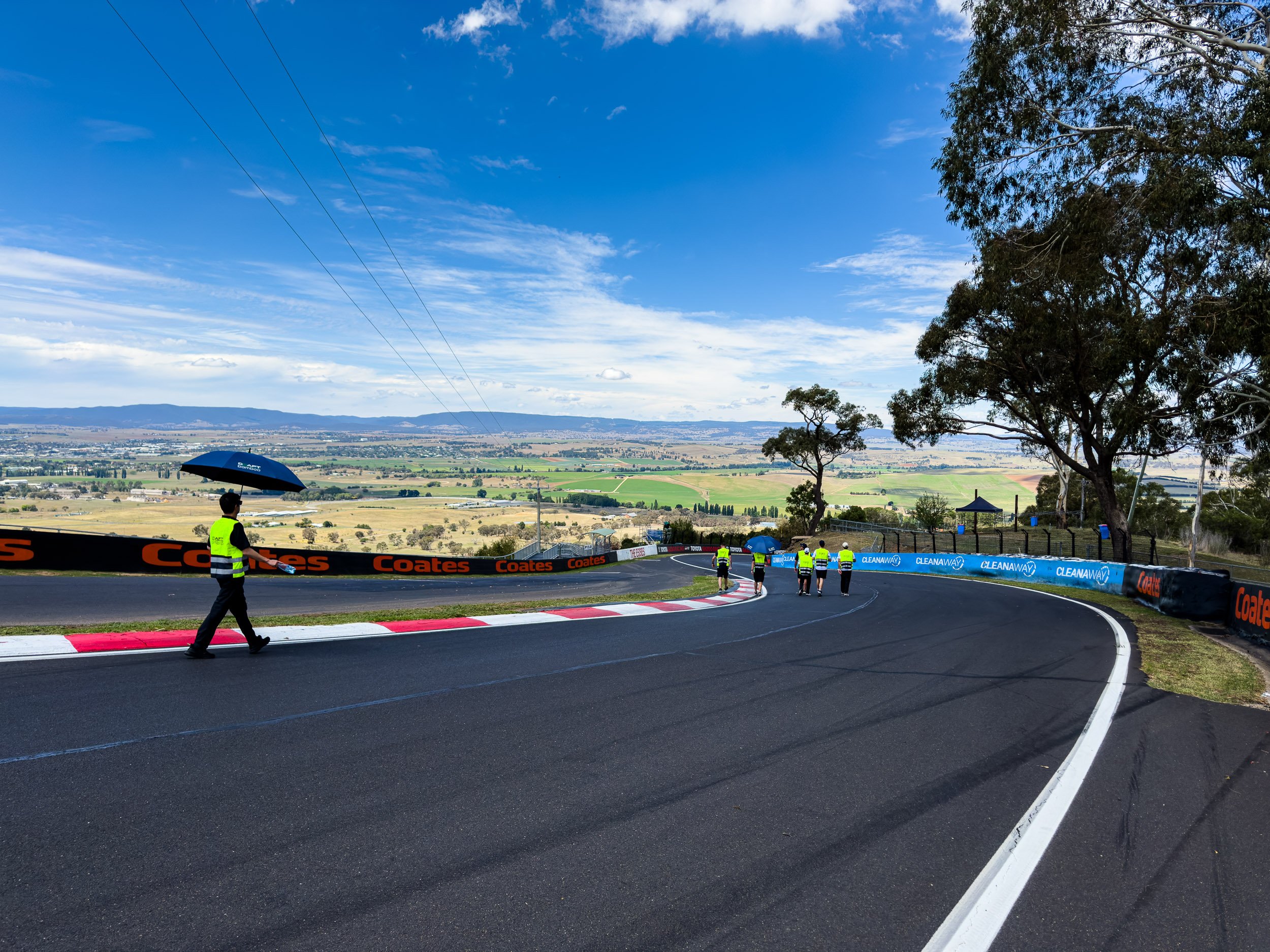
Mount Panorama Circuit in Bathurst, New South Wales, Australia
In February I flew to Australia for the Bathurst 12 Hours at Mount Panorama, which was my first event with Craft-Bamboo Racing. My role there was not as part of the race operation — I was there to meet the broader team and observe how they run a race weekend at this level, how the operation fits together, and how people make decisions under pressure. The idea was to take that back into my own Super Taikyu season.
Bathurst was always a bucket list race for me, so I still could not quite believe I was going there for work.
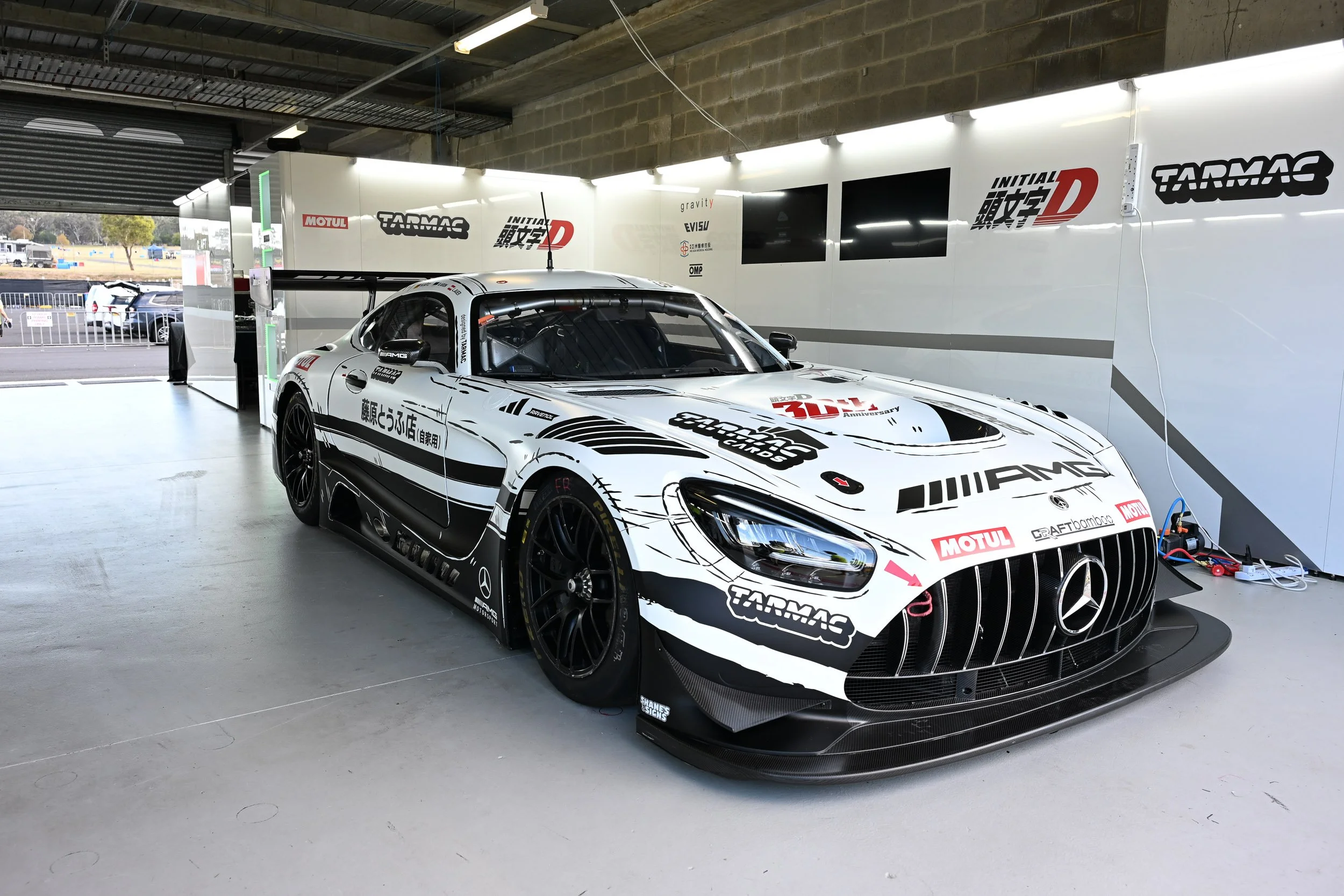
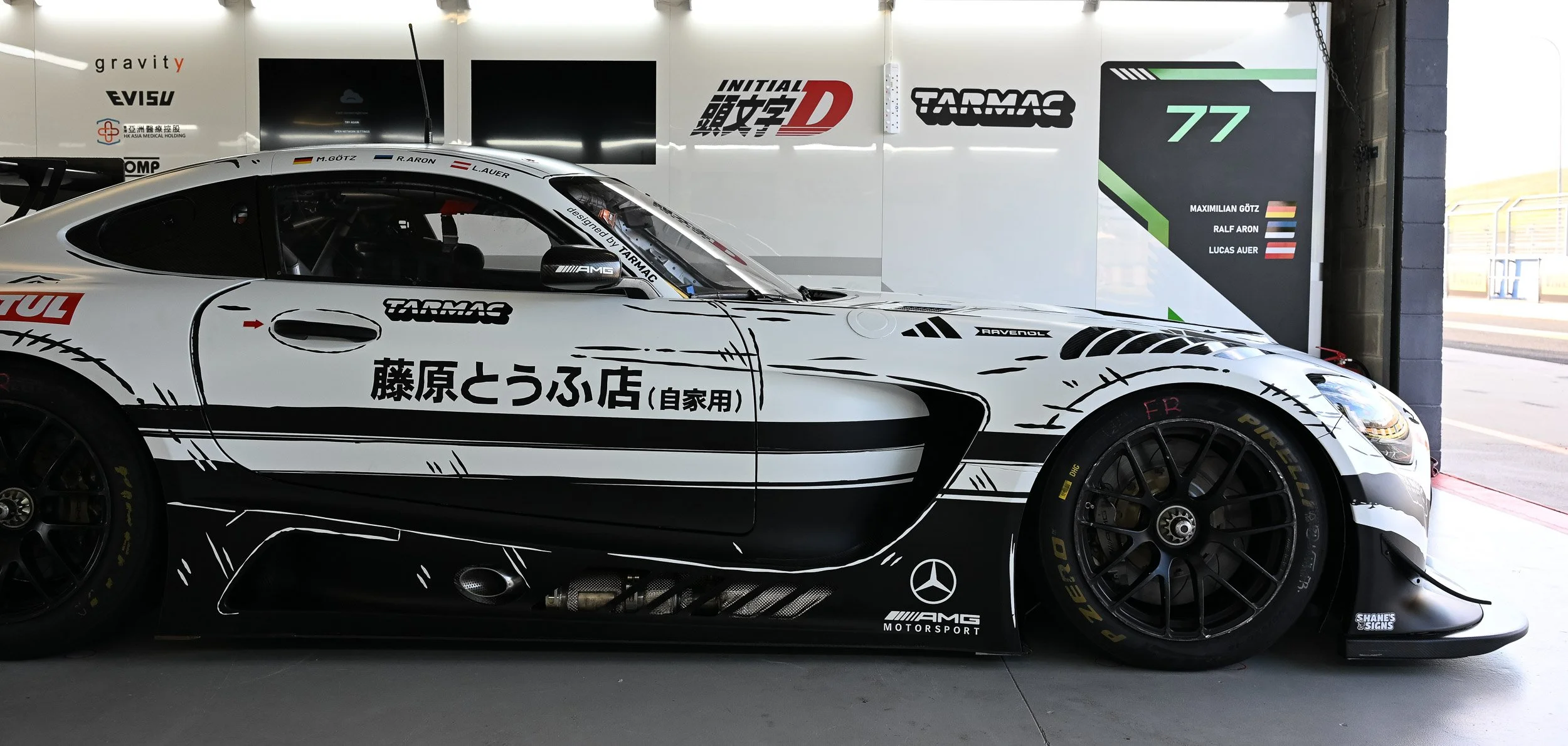
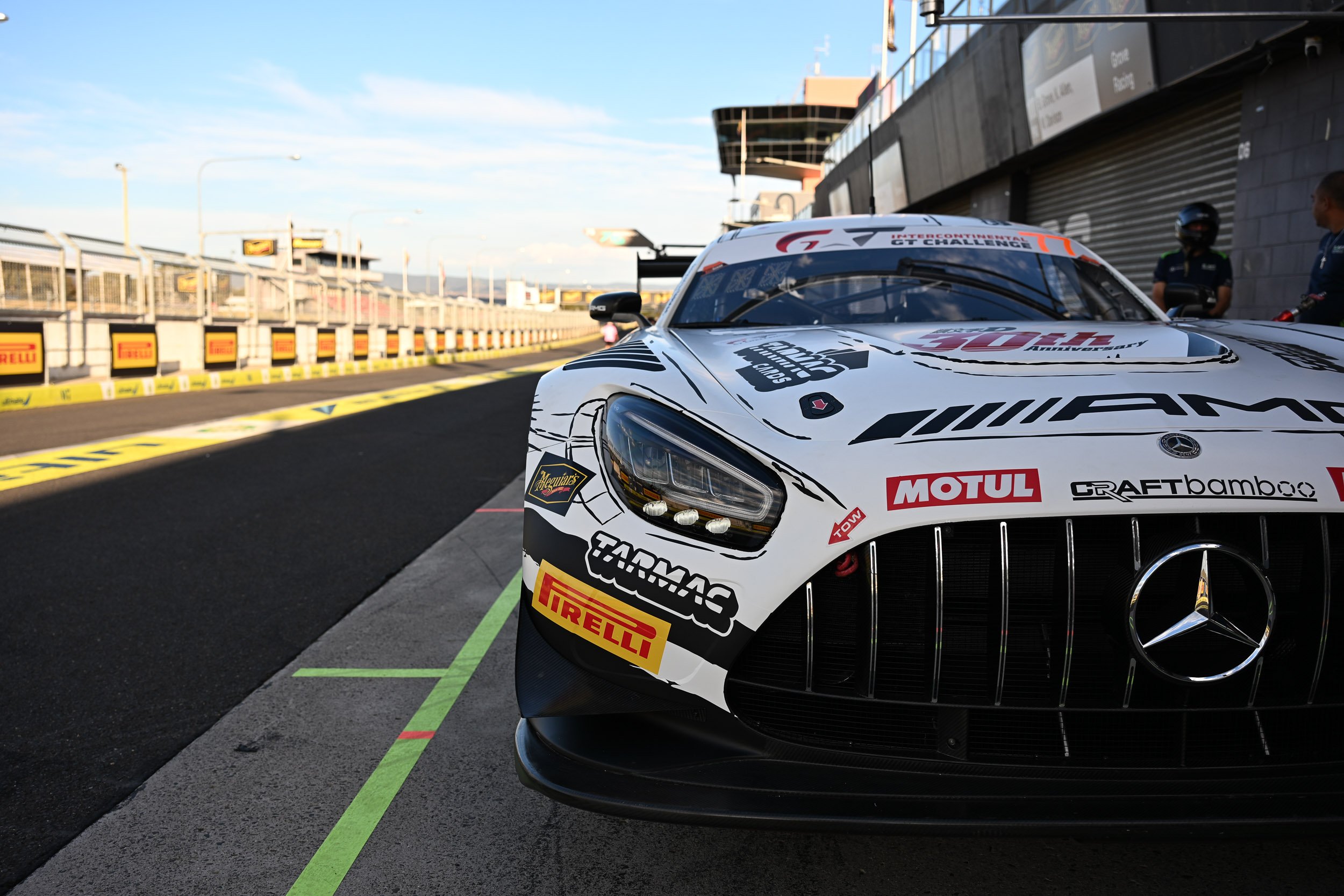
Craft-Bamboo Racing #77 car at 2026 Bathurst 12 Hours in Tarmac Works Initial D livery
Craft-Bamboo Racing ran one entry at the 2026 Bathurst 12 Hours. The car was quick all weekend and was leading the race in the ninth hour when our driver hit a stationary car at Forrest's Elbow. The car had spun on the racing line with nowhere to go, the impact was massive, and the race was red flagged.
It was a brutal way for the weekend to end, and a difficult moment for the team. But watching how Craft-Bamboo handled it — the composure, the process, the way experienced people deal with the unexpected — was exactly what I needed to see before heading into my own season. Motorsport finds ways to test you that you cannot fully prepare for, and seeing how that looks from the team management side was genuinely valuable.
Also worth mentioning: I got some planes potting in at Sydney Airport at a spot literally called The Plane Spotting Beach. A short Uber from the terminal, well worth the trip. Good spot. Highly recommend.
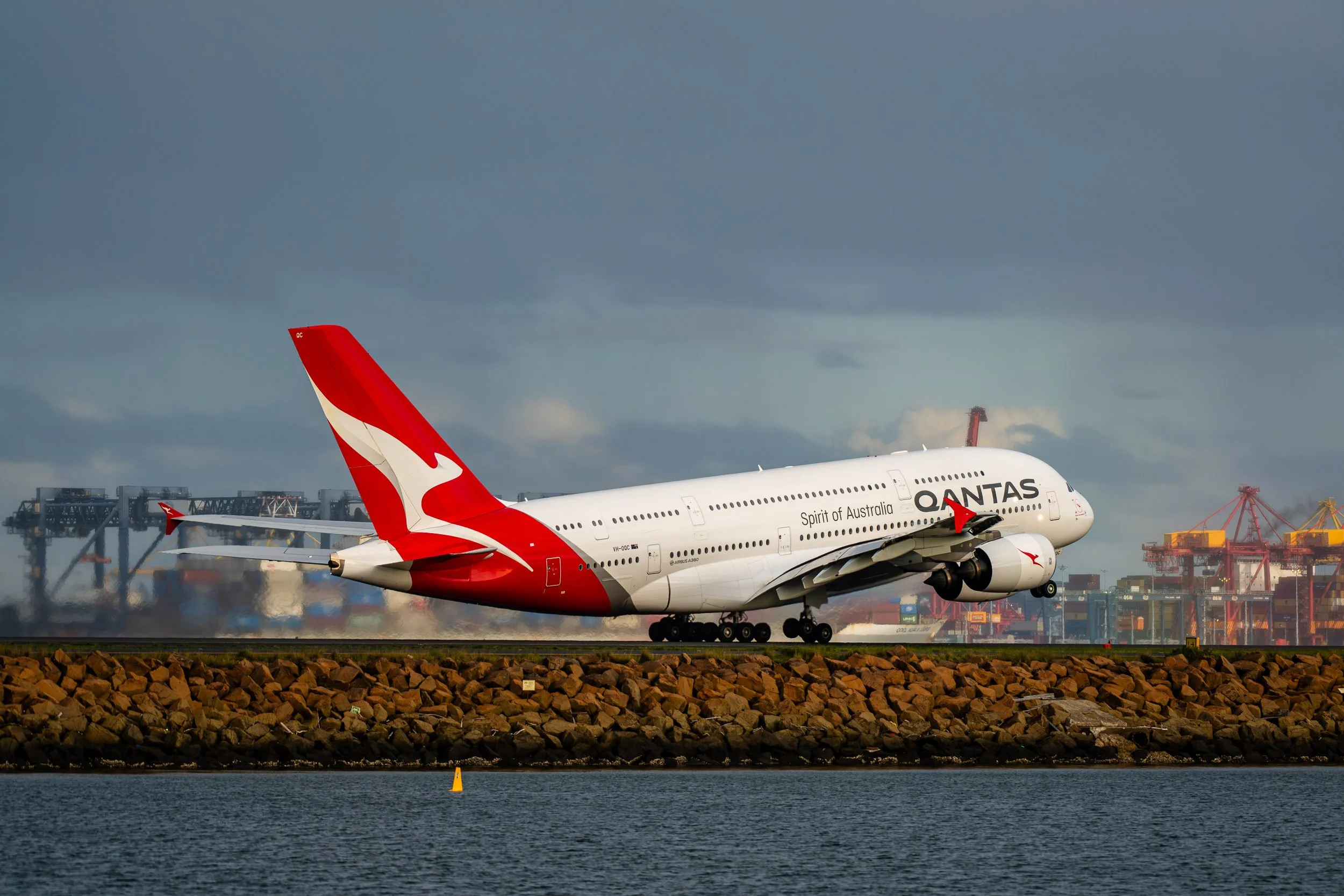
Qantas Airbus A380 taking off from Sydney Kingsford Smith Airport
Super Taikyu 2026 Rounds 1 and 2: Back-to-Back Wins at Motegi and Suzuka
Motegi in March was my first race weekend as Team Manager at Craft-Bamboo Racing Japan. The #33 Mercedes-AMG GT3, driven by Kakunoshin Ohta, Adderly Fong, and Jingzu Sun, took pole in combined qualifying. Race 1 was a difficult afternoon — a technical issue mid-race followed by a late penalty — but the team held it together and came away third. We reviewed overnight, found what needed to improve, and won Race 2.
Suzuka in April was pole to win, but it was far from straightforward. Slow pit stops cost us positions early in the race, then we picked up a drive-through penalty for speeding in the pit lane. We recovered, other teams had their own issues, and after the final stop we came out just ahead of P2 on cold tyres. We defended, held the lead, and won the Suzuka round of the Super Taikyu Series. It was exciting to watch in a way, but also nerve-wracking. The last ten minutes of a five-hour race felt considerably longer than ten minutes.
Championship leaders going into the Fuji 24 Hours in June. Off to a good start.
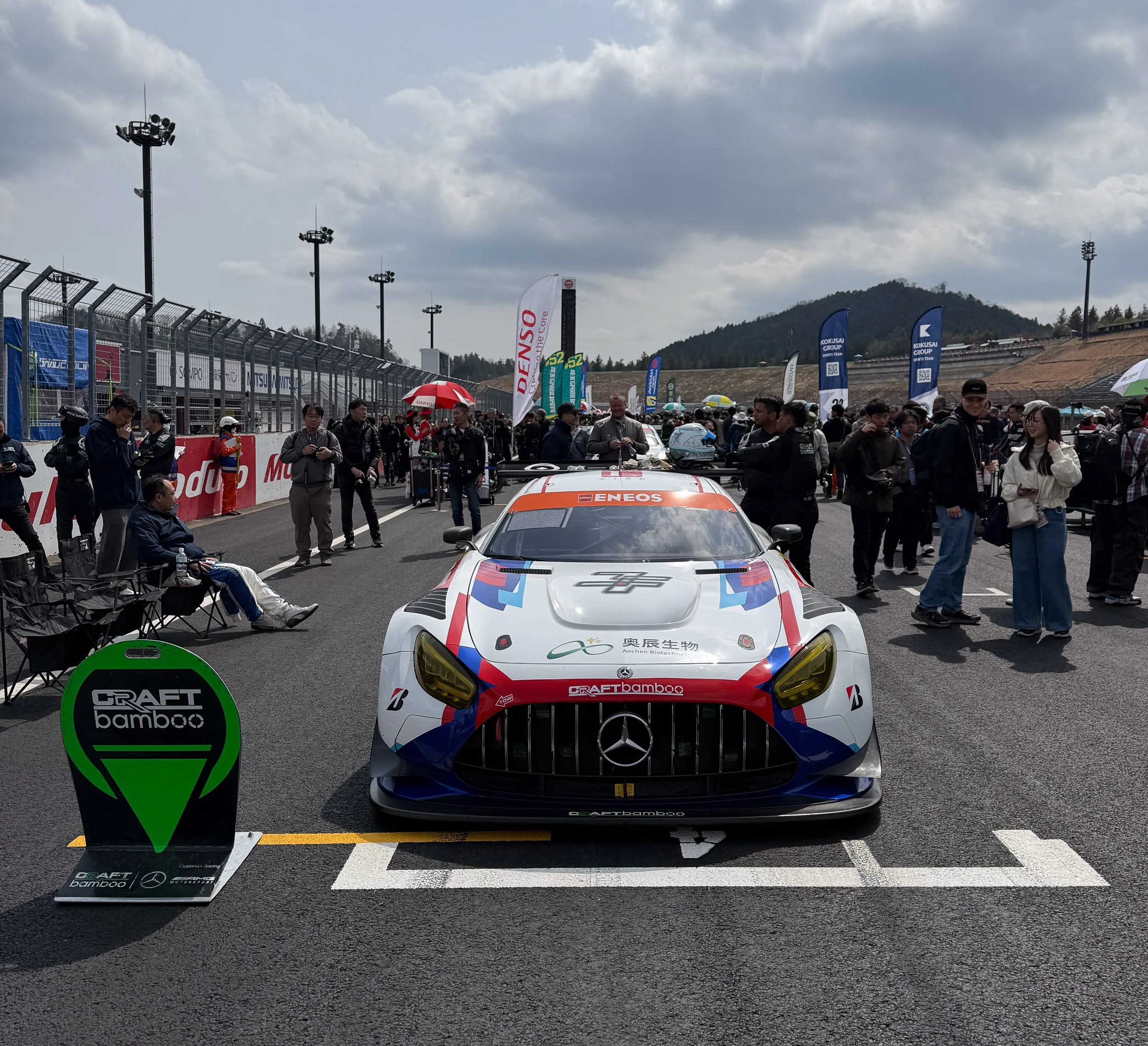
On the grid at Super Taikyu 2026 Rd.1 Motegi
One thing I keep noticing about race weekends now is how disconnected I can be from what is actually happening on track. During qualifying I might be planning for race day, sorting something for the next round, or talking through future items with management, and then suddenly the garage erupts and I realise we have just gone quickest. It is a strange feeling, not a bad one, just very different from anything I experienced as an engineer.
On race day I am on the radio to race control, passing information to the engineers and calling the full course yellow when needed. Beyond that, my job is largely to stand back and let people do what they are good at. The engineers call the strategy, the mechanics execute the pit stops, the drivers perform on track. I make sure there are no blockers, step in when something needs me specifically, and otherwise stay out of the way. The results reflect the effort of the drivers and the team far more than anything I did. My job was to set things up so they could perform, and to make the right calls when they were mine to make.
F1 Japanese Grand Prix 2026: My Third Year as Expert Host, Assigned to House 44
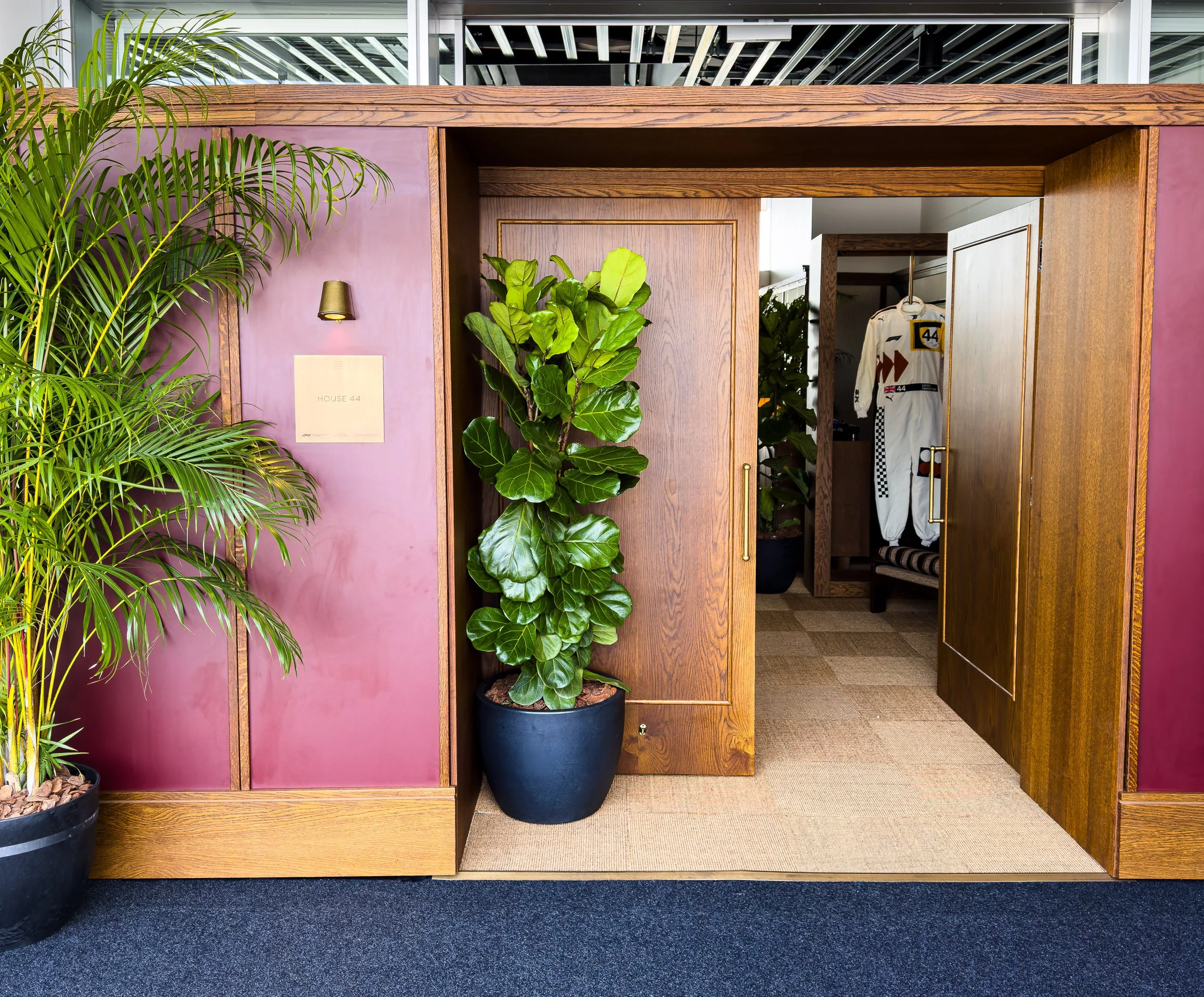
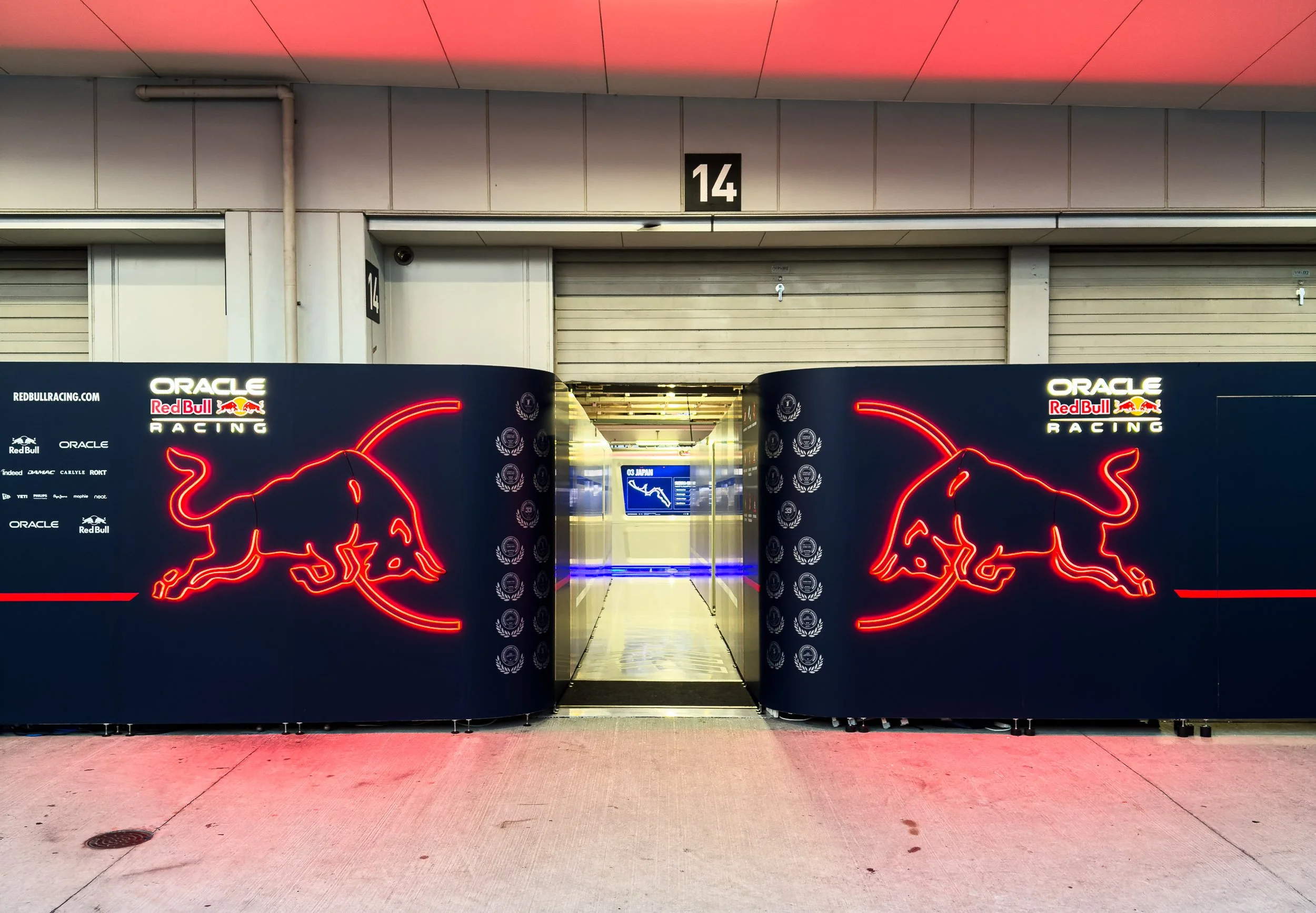
Entrance to House 44 in the F1 Paddock Club at 2026 F1 Japanese Grand Prix
A few weeks later the F1 Japanese Grand Prix at Suzuka brought me back to the circuit in a completely different capacity. As an Expert Host, the role is essentially a motorsport tour guide for Paddock Club guests — walking them through what is happening on track, how the weekend is structured, and the details behind what they are watching. This was my third year doing it, but this year I was assigned to House 44 rather than the regular rotation.
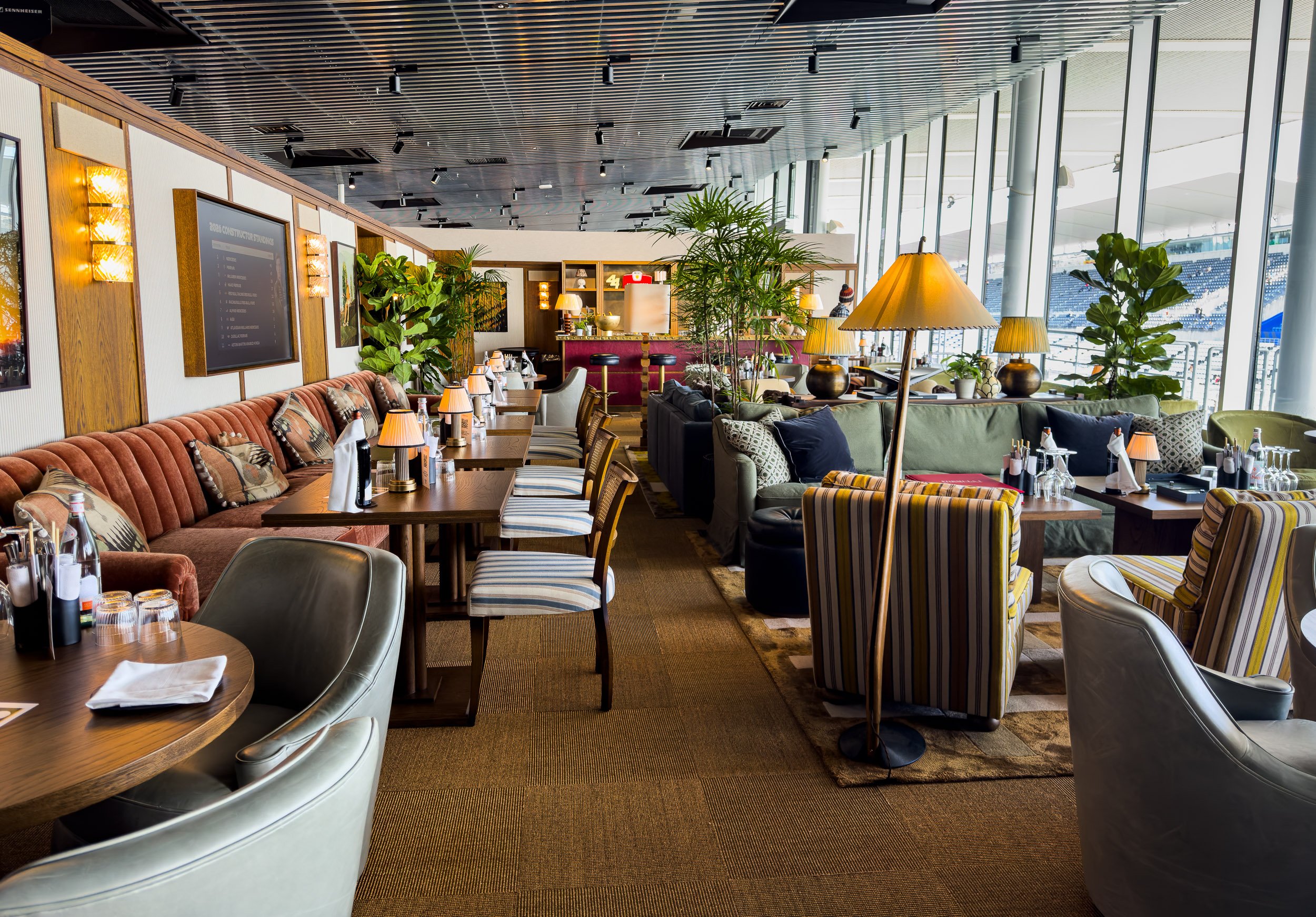
House 44 in the F1 Paddock Club at 2026 F1 Japanese Grand Prix
House 44 is a hospitality concept created in collaboration between F1 Paddock Club, Lewis Hamilton, and Soho House. Designed in Soho House style with views across the Suzuka circuit, it sits at a different price point to even the already expensive Paddock Club, and the guest profile reflects that. The 2026 Japanese Grand Prix was the first time House 44 appeared at Suzuka.
What made it different was continuity. In regular Paddock Club guests tend to rotate day by day, so every conversation starts from scratch. In House 44, the same people were there across all three days, and by race day there was a genuine rapport that you just cannot build when the faces change every morning. That made the whole experience feel more personal, on both sides.
Soho House Tokyo: First Impressions as a Member
Soho House Tokyo plaque
This one connects back to House 44 in a roundabout way. Just before the F1 Japanese Grand Prix I had been introduced to Soho House Tokyo and was fortunate to know a committee member who backed my application. Then at House 44 I got to spend time with some of the Soho House Tokyo team over the race weekend, which made the whole thing feel natural rather than formal. My membership came through shortly after.
Soho House Tokyo opened on April 6th 2026 in Minami-Aoyama, the brand's 50th house globally and its first in Japan. It occupies four floors in the new Omotesando Grid Tower near Omotesando, with a rooftop pool, wellness studio, 42 bedrooms, and club spaces for eating, drinking, and working. The design draws on Japanese craft throughout blended with the signature Soho House aesthetic, and the space looks amazing — though you will have to take my word for it, as Soho House has a no photography policy inside the House. What gets you just as much as the look is how cozy it feels. That combination is what makes it feel like an extension of a living room rather than somewhere you need to be in the right mood for.
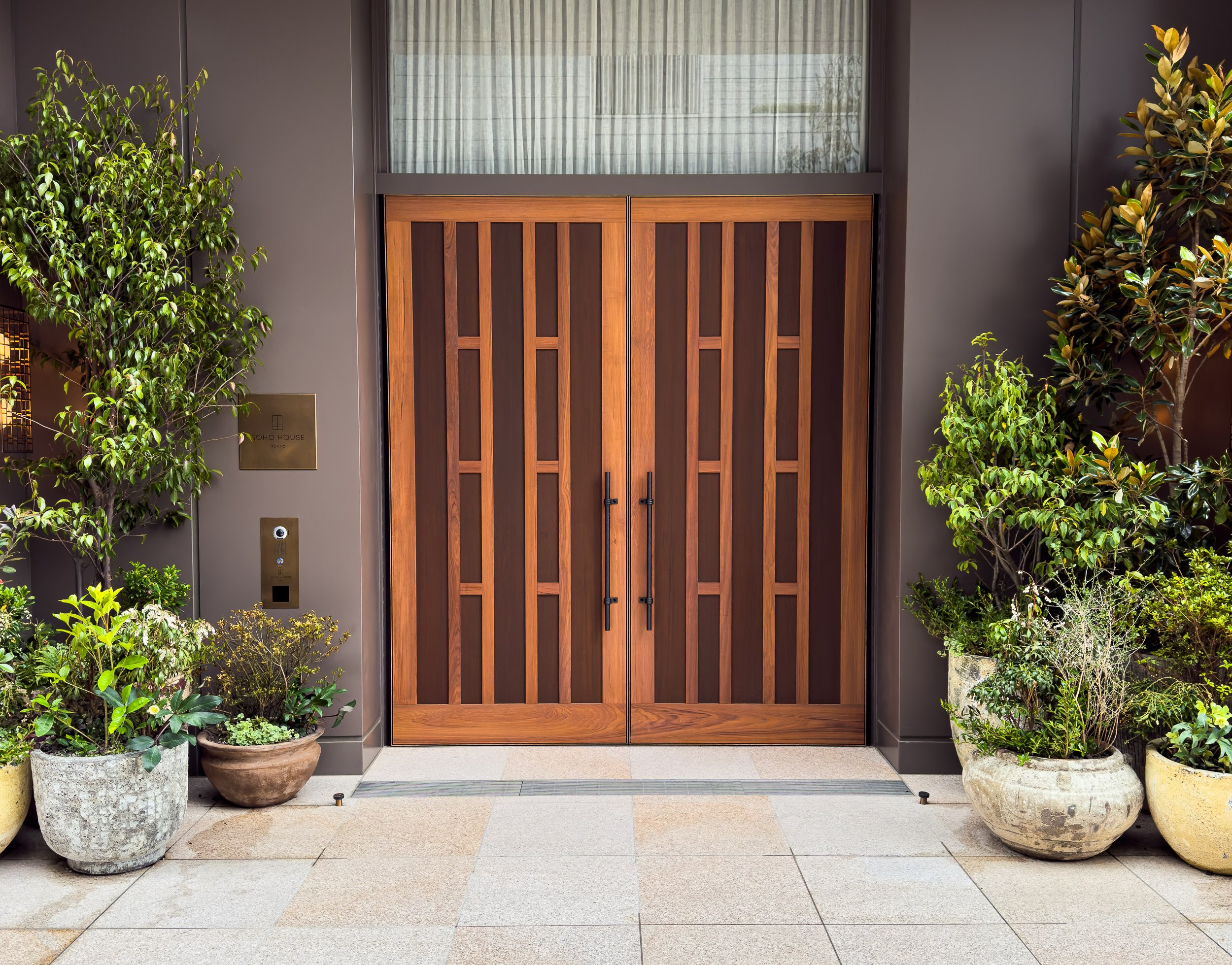
Entrance to Soho House Tokyo
I joined initially just to see what it was about, and it has been more than worth it. The way I use it changes depending on the day — sometimes I am there to work, sometimes for drinks with friends, sometimes for an event, sometimes lunch with someone I am bringing as a guest. It has become a natural part of the week rather than a destination you plan around.
The networking side has been great too, though that was not really the main draw. What I have noticed is that it just feels more natural and less forced than the usual routes — finding someone on LinkedIn, reaching out cold, meeting at a cafe. Here you just end up talking to people, and connections form without any of that friction. The Monday morning coffee social is fast becoming a routine, and I keep bumping into people I have already got to know over the few weeks I have been a member.
The rooftop pool looks great. I have not been in yet, but I have sat outside a few times. That counts for something.
Since I can’t take any photos inside, the Soho House Tokyo website do more justice than I can explain of what a stunning space they have created in the heart of Tokyo.
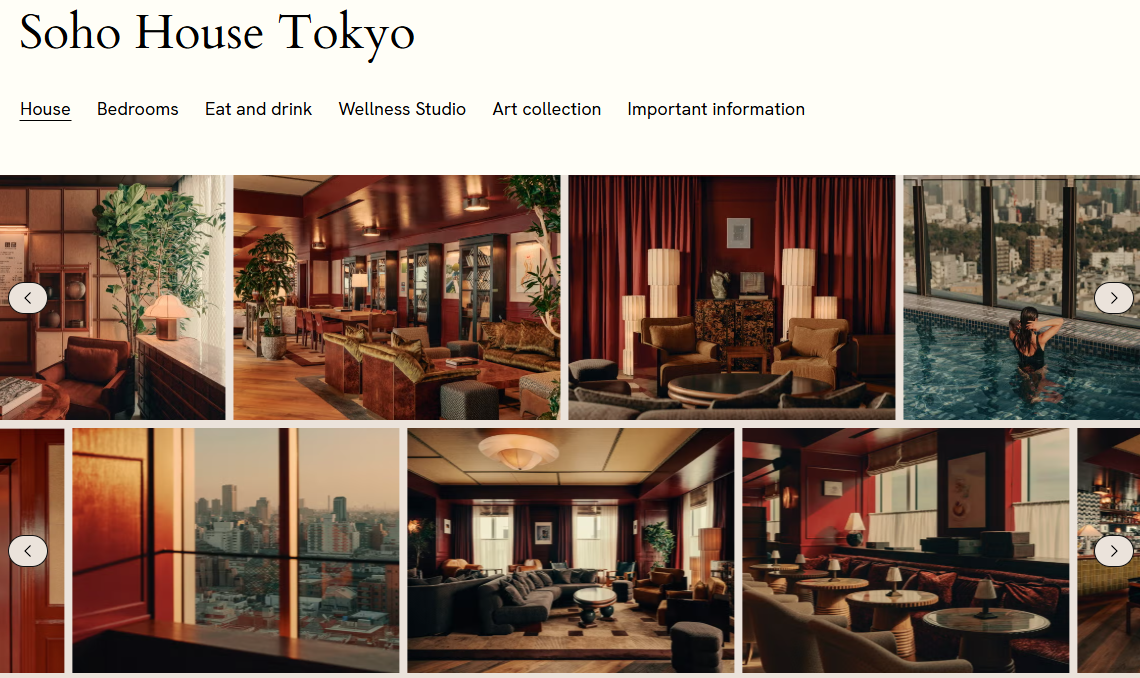
Soho House Tokyo website
Four months in and the year already feels full in a way that is hard to summarize. A new role that is teaching me something new every week, two race wins, and a couple of new experiences in Tokyo that have already become part of the routine.
The Fuji 24 Hours is up next in June — the biggest test of the season so far. Looking forward to it.
